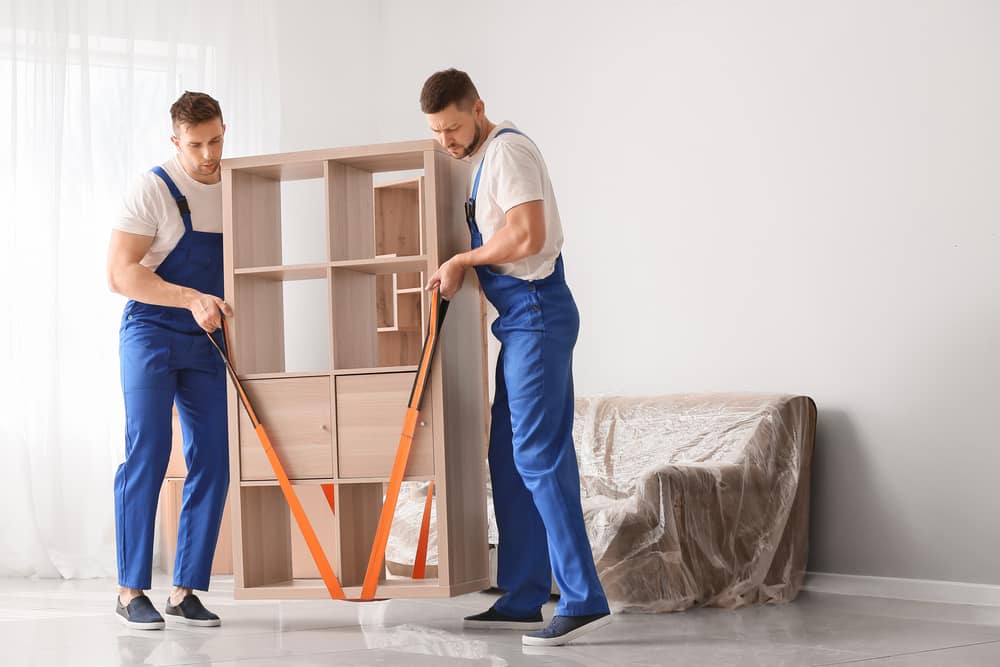
Packing Upholstered Furniture for a High Point Relocation
A sofa may seem like one of the simplest household items to move, yet upholstered furniture has its own set of challenges. Fabric can collect dust, absorb moisture, and snag against rough surfaces, while cushions and exposed corners can easily become damaged during loading. Preparing these pieces properly is especially important when a relocation involves several stops between the old home and the new one.
Whether you are moving a sectional, armchair, ottoman, or upholstered dining chairs, thoughtful preparation can help preserve both appearance and structure. A Greensboro relocation may involve different distances and handling conditions, so packing methods should be chosen according to the furniture and the journey.
Begin With a Furniture Inspection
Before wrapping anything, examine each upholstered item carefully. Look for existing stains, loose seams, scratches on wooden legs, or small tears. Photograph noticeable imperfections so there is a clear record of the furniture’s condition before transportation.
Remove cushions, pillows, throws, and other detachable accessories. These smaller pieces should generally be packed separately rather than left loose on the furniture.
Clean Without Adding Moisture
Dust and surface debris should be removed before wrapping. Vacuum fabric carefully, paying attention to seams and areas underneath removable cushions.
Avoid wrapping recently cleaned upholstery while it is still damp. Trapped moisture can create unpleasant odors and may contribute to fabric problems during transportation.
If you are coordinating a professional move, https://milestonerelocation.com/high-point/ can be a useful resource when researching relocation assistance in the High Point area.
Choose Protective Materials Carefully
The wrong packing material can create problems of its own. Plastic placed directly against certain upholstery for an extended period can trap moisture, particularly in humid conditions.
Start With Soft Protective Layers
Moving blankets are useful for creating a cushioned barrier between upholstery and the surrounding environment. Wrap the furniture evenly, paying extra attention to arms, corners, and exposed decorative elements.
For longer transportation, an additional protective layer can help shield the piece from dust and accidental contact with other belongings. Secure the covering without compressing the upholstery excessively.
Do not attach adhesive tape directly to fabric or finished furniture surfaces. Tape should remain on the protective material rather than the furniture itself.
Prepare Different Pieces for Transportation
Not every upholstered item should be packed in exactly the same way.
A large sofa may benefit from removable legs being taken off to reduce its dimensions. Store the hardware in a labeled bag. Reclining furniture requires additional caution because mechanical components can be damaged if the piece is lifted incorrectly.
Protect Removable Cushions
Cushions should be wrapped individually when practical. Keep them clean and dry, and avoid placing heavy boxes on top of them.
For decorative pillows, use clean cartons or breathable protective coverings. Do not overfill the container, since excessive pressure can distort the shape of soft materials.

Upholstered dining chairs can often be grouped carefully, but make sure their legs and frames cannot rub against neighboring pieces.
Think About the Moving Route
Packing is only part of the protection process. Before moving day, inspect the route from each room to the truck.
Measure narrow doorways, hallways, staircases, and tight corners. Remove objects that could interfere with carrying. Protect floors where heavy furniture will be moved or temporarily positioned.
A Greensboro relocation can become much easier when bulky upholstered pieces are handled according to their dimensions rather than treated like ordinary boxes.
Keep Upholstery Away From Risky Items
Inside the moving truck, placement matters. Upholstered furniture should not be positioned where sharp tools, exposed hardware, or unstable boxes can press against the fabric.
Heavy cartons should never be stacked carelessly on sofas or chairs. If stacking is necessary, use the appropriate protective structure and make sure the furniture is not carrying unnecessary weight.
At the destination, inspect each piece before removing its protective covering completely. Check seams, corners, legs, and fabric for signs of movement-related damage.
Make the New Room Ready
Clear the delivery route before the furniture arrives. Decide where each sofa, chair, or ottoman belongs so it does not need to be repeatedly repositioned.
Keeping upholstered furniture protected from the first packing step through final placement creates a much more controlled relocation. With suitable coverings, careful handling, sensible loading, and a little advance planning, homeowners can move valued fabric furniture without sacrificing its comfort or appearance.












Post Comment