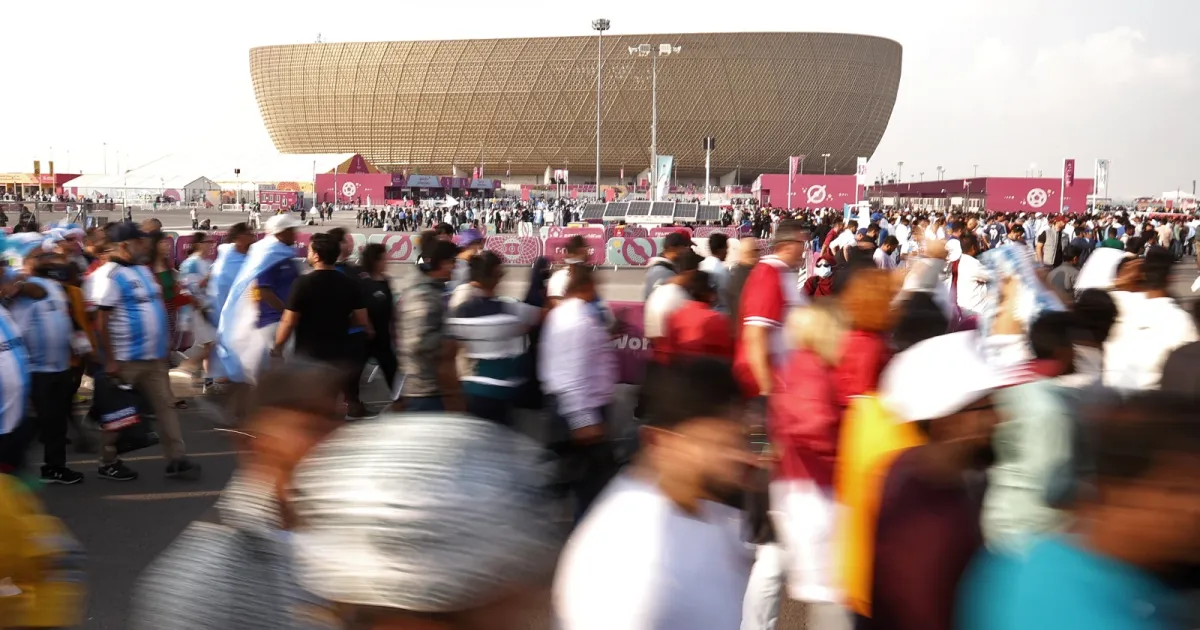
The complaints about the price of World Cup tickets aren’t adding up
When asked for comment about the $1,000 price tag to watch the U.S. take on Paraguay in the opening match of the World Cup next month at Los Angeles’ SoFi Stadium, President Donald Trump, who loves to gloat about his wealth, said, “I would certainly like to be there, but I wouldn’t pay it either, to be honest with you.”
Read more Caitlin Clark is too experienced to make this rookie mistake
There are probably lots of people who agree with Trump on that point — if only grudgingly. On its face, paying $1,000 to watch the 14th-ranked U.S. squad take on a Paraguay team that’s ranked 40th may seem absurd. But is it any more absurd than, say, paying $1,000 to watch the NBA’s lowly Sacramento Kings take on Stephen Curry and the Golden State Warriors for a regular season game?
As the big tournament approaches, Trump has jumped into the debate over how much the experience of attending one or more of the 104 matches being held across North America should cost. Whether it’s the jacked-up train fares that have been announced in the New York-New Jersey area or the outrageous ticket prices on the primary and secondary markets, observers have said consumers may have reached the breaking point when it comes to paying for live entertainment.
But FIFA President Gianni Infantino rationalized World Cup ticket prices that are as high as $32,970 for the July 19 final at MetLife Stadium by asserting that those prices are in line with the marketplace for similarly high-profile events in the U.S. And though many people hemmed and hawed in response, he might be (at least partially) right. Too many Americans already pay exorbitant ticket prices for sporting events that aren’t anywhere near as rare as World Cup matches on our soil.
The Colorado Rockies, for example, haven’t made the playoffs since 2019 and won 43 of 162 games last season. Still, an average of more than 30,000 people showed up per game. If you want a lower infield box seat to see the Rockies play the Arizona Diamondbacks on May 15, you will pay $200. Trust me, those seats won’t be empty. And it only gets more expensive from there after you pay for parking and concessions and a foam finger.
Read more Jason Collins died without seeing another NBA player come out
Of course, some people are complaining specifically about the role dynamic pricing plays in making World Cup tickets more expensive. And while ticket prices that fluctuate in real time based on demand, market conditions and myriad other variables are a problem, Americans have generally been less vocal about the fixed ticket prices at big sporting events.
One of the big buzzwords in politics today is “affordability.” But we grant an exemption to sports. On the morning of college football’s National Championship game on Jan. 19, 2026, the lowest-priced tickets were selling for $3,910, and the average price for a ticket was $5,740, the most expensive ever. The day before this year’s Super Bowl, tickets on Ticketmaster started at $10,000.
All we hear about is an economy where people can’t afford the simple and most essential things. But who is filling up every single arena and stadium in California for all these pro sports teams? In the NHL, no California team plays to less than 91% capacity. In the NBA, it’s the same story. In Major League Baseball, the San Diego Padres and Los Angeles Dodgers are sold out virtually every night for 81 home games. And the woeful LA Angels average 32,000 fans for home games (though many of those tickets are downright affordable by today’s prices),
And it’s not just a problem in the sports world. Look at the size of the audiences for Taylor Swift and other big music acts around the country: The best seats for their concerts can easily top out in the low four figures. These aren’t just trust fund babies paying the freight for these games and entertainment venues on a night-in, night-out basis. These are everyday folks that, no matter the price, decide they’re going to see something that strikes a chord with them.
The point of all of this is to say that people, even in an economy where there is an affordability crisis, are still willing to spend big bucks for the biggest events. Whether it’s star-studded concerts, weekly sporting events or the highest-profile games and tournaments, people will grumble and then plunk down the money required for access. While Major League Soccer has its fan base, this complaint about the World Cup tickets being too high may simply be a consequence of North American sports fans not seeing the value proposition of the World Cup.
As sickening as some of these ticket prices appear to be, the only thing that will ever bring about a change in those prices is everyday folks not picking up the tab. Until now, they have appeared willing to do so. Will the World Cup be a turning point in that regard? We’re about to find out.
Read more The NAACP’s goal is righteous. But its call for a sports boycott has problems.










Post Comment